It's a household appliance we use multiple times a week without a second thought. We throw in wet clothes, press a button, and walk away. But behind your clothes dryer lies a potential hazard that causes thousands of fires every year: the dryer vent.
Unlike cleaning the lint trap, which most homeowners do after every load (we hope!), cleaning the actual vent duct that leads outside is often neglected. Out of sight, out of mind—until it's too late. A clogged dryer vent doesn't just reduce your dryer's efficiency; it can turn it into a fire hazard.
In this article, we’ll explore why lint is so dangerous, how to spot the warning signs of a clogged vent, and why professional cleaning is the smartest investment for your home’s safety.
According to the U.S. Fire Administration, 2,900 home clothes dryer fires are reported each year, causing an estimated 5 deaths, 100 injuries, and $35 million in property loss. Failure to clean the dryer is the leading cause of these fires.
The Science of Lint Fires
Lint is made of tiny fibers from your clothes. It is extremely flammable—in fact, many campers use dryer lint as a fire starter because it ignites so easily.
Your dryer works by forcing hot air through a tumbling drum to evaporate moisture from your clothes. This moist, hot air—along with lint particles—is pushed out through the vent duct to the outdoors. The lint screen catches most of these fibers, but not all. Over time, the ones that escape settle in the ductwork.
As this lint builds up, it narrows the duct, restricting airflow. This causes two problems:
- Heat Buildup: Because the air can't escape freely, heat builds up inside the dryer drum and the motor.
- Ignition Source: If the dryer overheats, the lint trapped in the duct, or even back in the dryer chassis, can ignite. Once ignited, the fire is fed by the forced air from the dryer fan, spreading rapidly through the vent system and into the walls of your home.
Warning Signs of a Clogged Vent
Your dryer will usually tell you when it's struggling to breathe. Pay attention to these symptoms:
1. Clothes Take Longer to Dry
This is the #1 sign. If your towels or jeans are still damp after a normal 45-minute cycle, or if you have to run the dryer twice to get clothes dry, your vent is likely clogged. The moist air can't escape, so it just stays in the drum, keeping your clothes wet.
2. Burning Smell
If you smell something burning when the dryer is running, stop it immediately! This could mean lint is contacting the heating element or the motor is overheating. Unplug the unit and call a professional.
3. Dryer is Hot to the Touch
The dryer should get warm, but it shouldn't be too hot to touch on the top or sides. If it feels excessively hot, it's not venting properly. You might also notice that your clothes come out feeling incredibly hot, almost scorching.
4. Vent Hood Flap Doesn't Open
Go outside and look at the vent opening while the dryer is running. You should see (and feel) a strong flow of air coming out, and the flap should be fully open. If the airflow is weak or the flap is closed, you have a blockage.
5. Lint Behind the Dryer
If you see lint accumulating behind the dryer or around the hose connection, it means the system is backlogged, and lint is being forced out into the laundry room.
Benefits of Professional Cleaning
Many homeowners try to clean their vents with DIY kits from the hardware store. While better than nothing, these brushes often don't reach the full length of the duct, especially if it has bends or is long (venting through the roof). Worse, amateur cleaning can sometimes compact the lint into a tighter clog deeper in the pipe.
Here is why professional cleaning with 101 Local Duct Cleaning is superior:
- Safety: We remove 100% of the lint, drastically reducing fire risk.
- Energy Savings: A clean vent allows your dryer to work efficiently. You'll run fewer cycles, saving significantly on your electric or gas bill.
- Extended Appliance Life: By preventing overheating, you reduce wear and tear on your dryer's heating element and motor, helping it last years longer.
- Time Savings: No more waiting 90 minutes for a load of laundry to dry.
Our Cleaning Procedure
- Airflow Test: We start by measuring the current airflow velocity to establish a baseline.
- Disconnect & Inspect: We pull the dryer out and inspect the flexible transition hose. This is a common failure point; if it's plastic or damaged, we recommend replacing it with safe, semi-rigid aluminum.
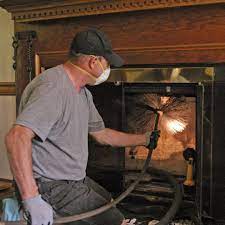
- Debris Removal: We use a high-powered vacuum connected to the duct, along with a rotary brush system. This "snake" brush travels the entire length of the vent, scrubbing the walls while the vacuum sucks everything up. Unlike blowing it out, this ensures no mess in your yard or home.
- Clog Busting: We are equipped to handle bird nests or heavy blockages that DIY tools can't touch.
- Final Test: We re-measure the airflow to show you the improvement. The difference is often dramatic!
A single load of laundry can produce enough lint to cover a dinner plate. While the trap catches a lot, imagine how much escapes over 300 loads a year!
Don't Wait Until It's Too Late
Dryer vent cleaning is one of the most cost-effective home maintenance tasks you can perform. It pays for itself in energy savings alone, not to mention the priceless value of knowing your home is safe from a preventible fire.
If it has been more than a year since your last cleaning, or if you are noticing long drying times, contact 101 Local Duct Cleaning today. Let us help you keep your home safe and efficient.
.webp)
.jpg)